
Technology / In development
Starlight.
A reusable suborbital rocket for research beyond the atmosphere. Designed to carry experiments into high-speed flight and reduced gravity.
Explore the vehicle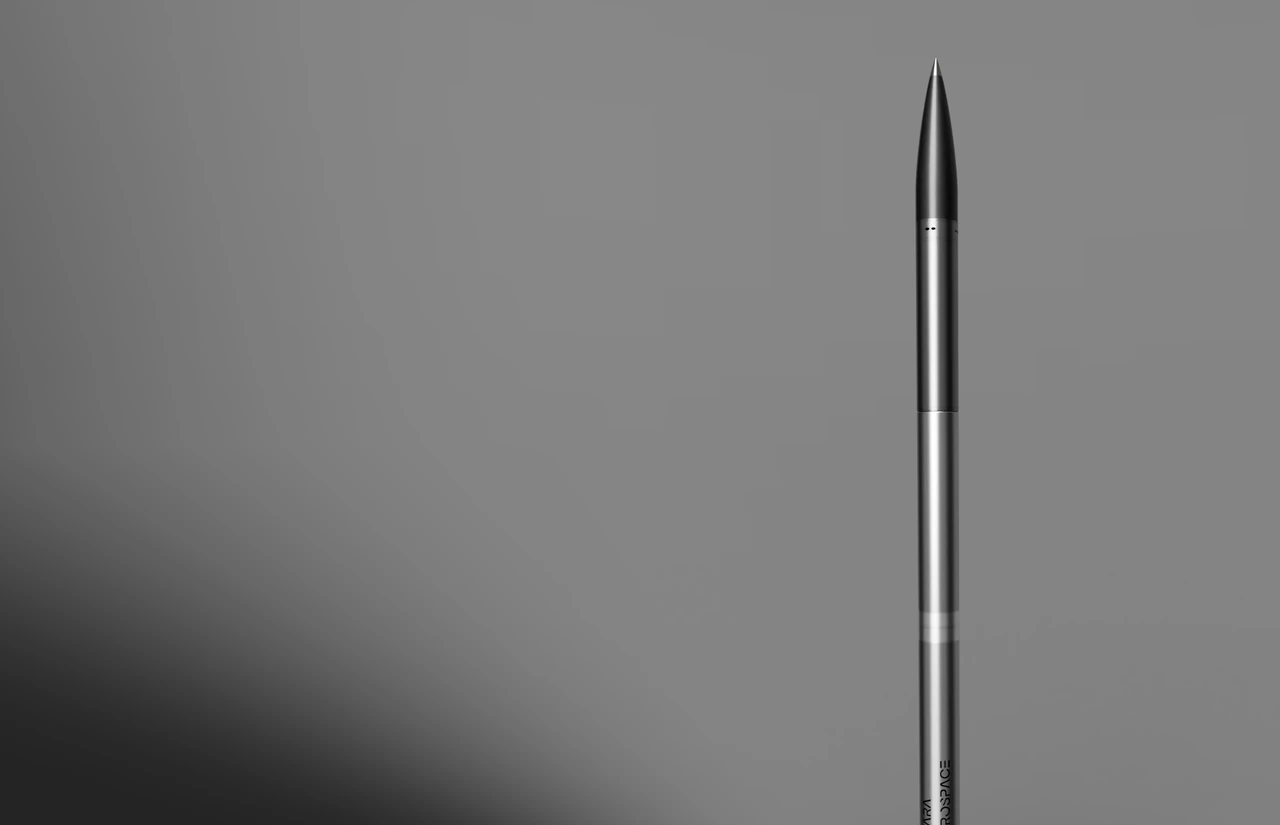
The vehicle
More room
for research.
Starlight is being developed for atmospheric science, microgravity research, and technology demonstrations. Electric pumps power ascent; a two-stage parachute system recovers the vehicle and payload.
The figures shown are development targets, rather than demonstrated flight performance.
| Apogee | Up to 150 km / 93 mi |
|---|---|
| Launch mass | ~1,350 kg / 2,976 lb |
| Payload capacity | Up to 100 kg / 220 lb |
| Flight duration | 10 min |
| Burn duration | 80 sec |
| Maximum speed | Mach 5 |
| Engine thrust | 28 kN / 6,294 lbf |
Hardware
Building the flight systems.
- 01 / Atmosphere
Measure the ascent
Atmospheric science and instruments that need data from a suborbital flight.
- 02 / Reduced gravity
Study new conditions
Experiments designed to make use of the reduced-gravity portion of the trajectory.
- 03 / Technology
Test in flight
Demonstrate sensors, electronics, and other hardware in a flight environment.
Research access
Your experiment.
A different environment.
Discuss your experiment’s mass, interfaces, and flight requirements with us.
Explore payloads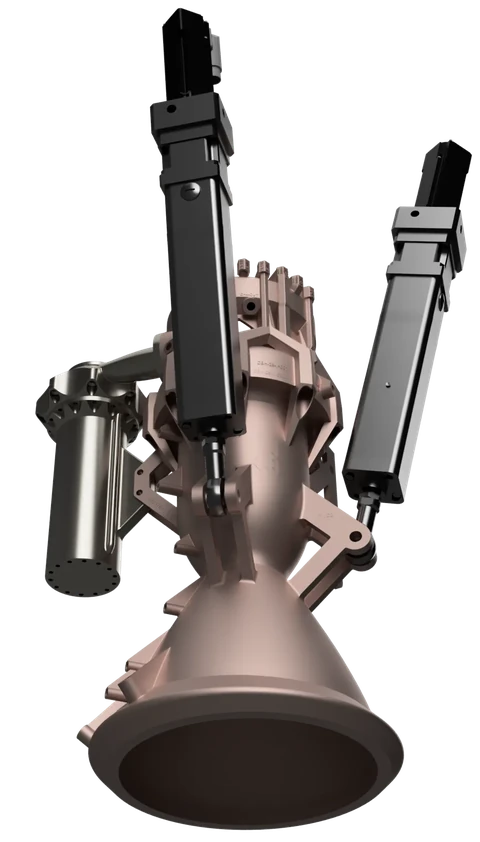
Propulsion
Electric pump-fed.
Built around reuse.
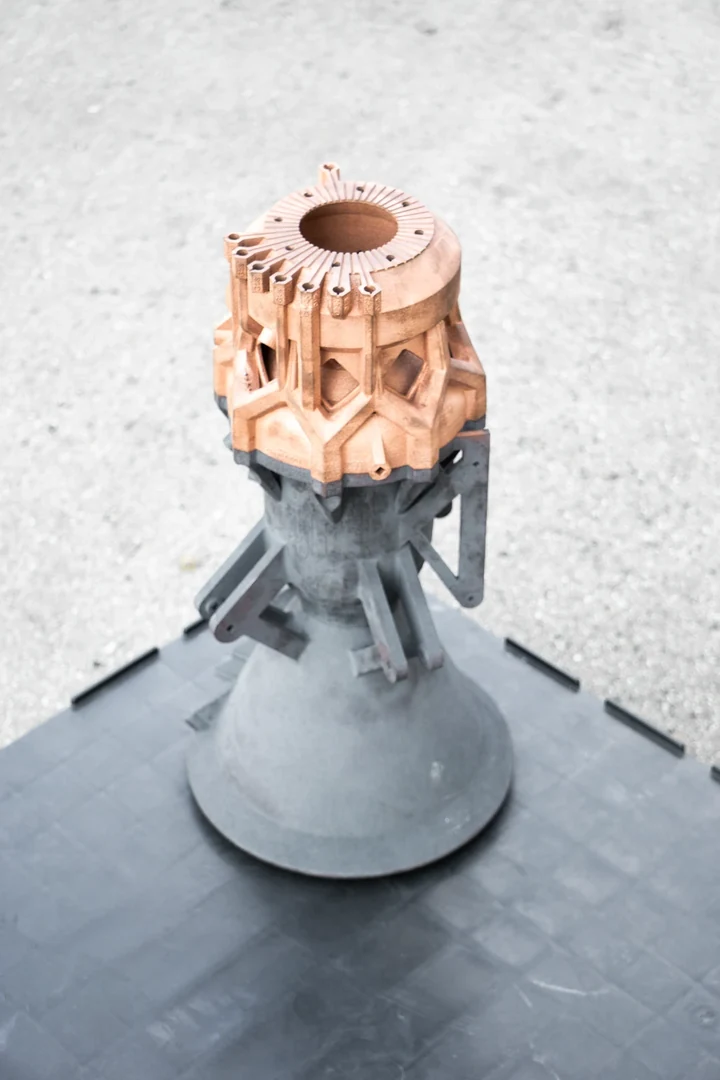
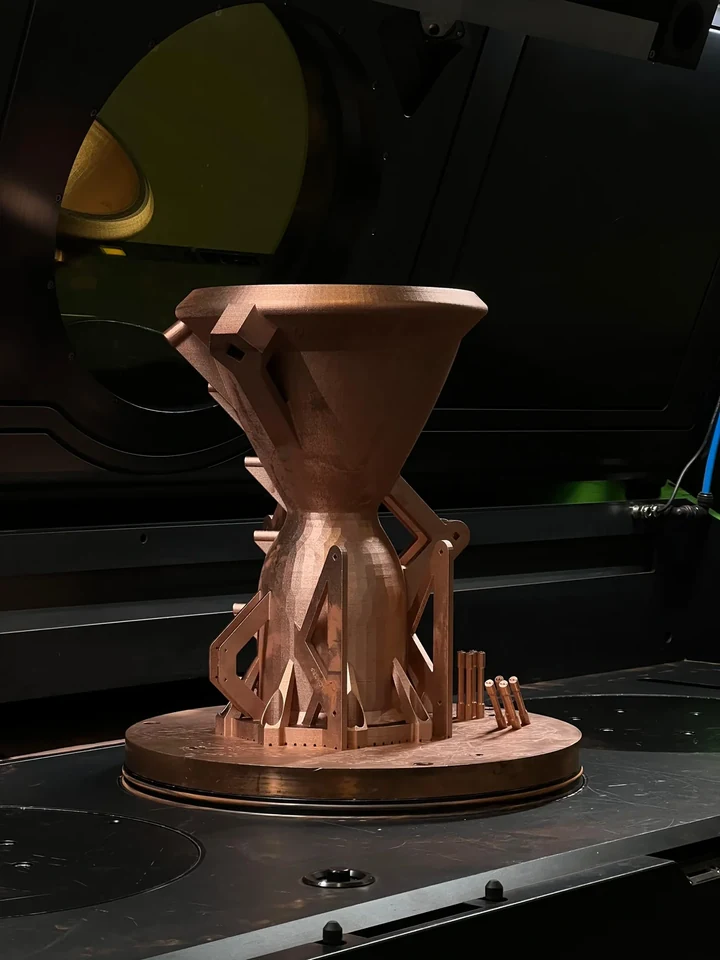
Electric pumps feed liquid oxygen and methane to the engine, powered by onboard batteries.
- Target thrust
- 28 kN
- Propellants
- LOX / CH₄
- Feed system
- Electric pumps